Tuscarawas County 2026 located in the heart of Ohio, has a dedicated Legal Division that plays a crucial role in maintaining law, order, and legal services within the county. Whether you are a resident, a business owner, or someone involved in legal proceedings, understanding the structure and functions of this division can make navigating legal matters much easier.
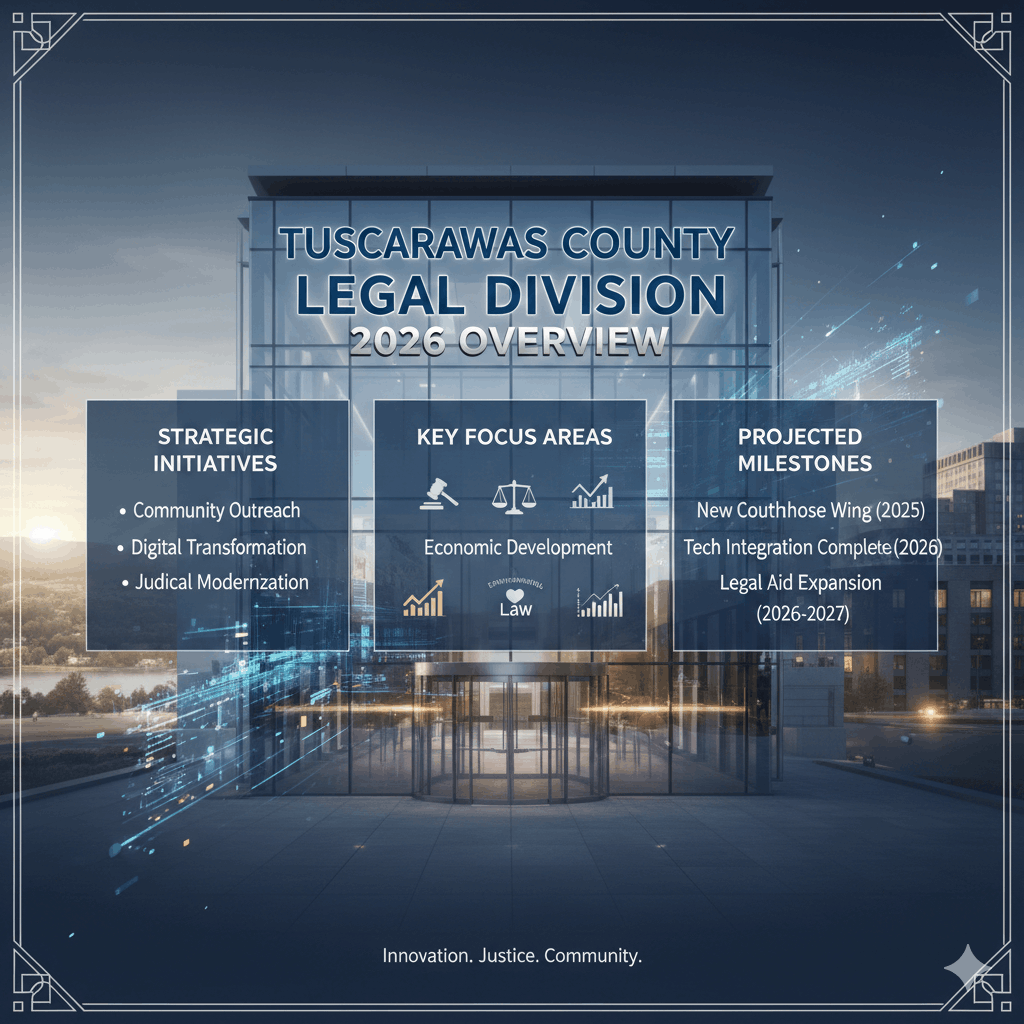
What is the Tuscarawas County Legal Division?
The Tuscarawas County Legal Division is the official department responsible for overseeing legal services, providing guidance on civil and criminal matters, and ensuring compliance with local and state laws. This division typically operates under the leadership of the County Prosecutor or Legal Counsel, who works closely with other county offices to represent the county in legal matters.
The division handles a wide range of responsibilities, including:
- Providing legal advice to county officials
- Representing the county in lawsuits and legal disputes
- Drafting and reviewing contracts, resolutions, and ordinances
- Ensuring compliance with state and federal regulations
- Supporting law enforcement agencies with legal guidance
Key Roles and Responsibilities
1. Legal Advice and Consultation
One of the primary functions of the Tuscarawas County Legal Division is to advise county departments and officials on legal matters. This includes reviewing contracts, agreements, and official documents to ensure they meet all legal requirements.
2. Civil Litigation
The division represents Tuscarawas County in civil lawsuits, whether defending the county against claims or pursuing legal action to protect county interests. This ensures the county’s rights and resources are safeguarded.
3. Criminal Prosecution Support
While the division primarily handles legal counsel, it may also work closely with law enforcement and the County Prosecutor’s office in criminal cases, offering guidance and supporting prosecution efforts.
4. Drafting and Reviewing Ordinances
County ordinances are essential for local governance. The legal division ensures that all ordinances comply with Ohio law, protecting the county from potential legal challenges.
5. Public Records and Transparency
Tuscarawas County is committed to transparency. The Legal Division assists in processing public records requests, ensuring compliance with Ohio’s public records laws while protecting sensitive legal information.
How to Access Tuscarawas County Legal Services
Residents and businesses can access the legal services provided by the division in various ways:
- County Website: The official Tuscarawas County website provides information on legal services, public records, and contact details for the Legal Division.
- Direct Contact: For specific legal inquiries, residents can contact the Legal Division directly through phone or email.
- Public Meetings: Some legal matters, such as ordinance approvals, are discussed in county commission meetings, which are open to the public.
Common Legal Services for Residents
Tuscarawas County Legal Division provides support in multiple areas for residents, including:
- Contract disputes
- Property and zoning issues
- Civil rights matters
- Government compliance issues
- Guidance on public records requests
By offering these services, the Legal Division ensures that residents have access to essential legal guidance without having to navigate complex legal processes alone.
Tips for Working with the Tuscarawas County Legal Division
If you need assistance from the Legal Division, consider the following tips:
- Be Prepared: Gather all necessary documents and information related to your case or request before reaching out.
- Understand Your Rights: Familiarize yourself with Ohio laws that may affect your situation.
- Follow Protocol: Ensure that you follow the county’s procedures for submitting requests or inquiries.
- Ask Questions: Don’t hesitate to seek clarification from the Legal Division staff—they are there to help.
Why the Legal Division Matters
The Tuscarawas County Legal Division plays a vital role in maintaining the county’s legal integrity. By providing accurate legal guidance, supporting law enforcement, and ensuring the county complies with laws, the division helps maintain public trust and keeps local governance running smoothly.
Without such a division, residents and officials would face significant challenges navigating legal processes, and the county could be exposed to unnecessary risks.
Conclusion
In summary, the Tuscarawas County Legal Division is an essential part of county governance, providing legal advice, civil litigation support, ordinance review, and public transparency services. Whether you are a resident, a business, or a local official, knowing how to access and work with this division can save time, prevent legal issues, and ensure that your rights are protected. By understanding its roles and responsibilities, you can navigate county legal matters with confidence.
Frequently Asked Questions (FAQs)
1. What is the primary role of the Tuscarawas County Legal Division
The division provides legal advice to county officials, represents the county in civil matters, and ensures compliance with state and federal laws.
2. Can residents contact the Legal Division for personal legal matters
The division mainly handles county-related matters. For personal legal issues, residents may need to consult a private attorney.
3. How do I request public records from Tuscarawas County
You can submit a request online through the county website or contact the Legal Division directly for assistance.
4. Who leads the Tuscarawas County Legal Division
Typically, the division is led by the County Prosecutor or Legal Counsel, who oversees all county legal matters.
5. Does the Legal Division assist with criminal cases
While primarily focused on legal advice and civil matters, the division works with law enforcement and the Prosecutor’s office to support criminal prosecutions.
6. How can I find information about county ordinances
The Legal Division reviews and maintains all county ordinances, and information can often be found on the official Tuscarawas County website or through public records requests